



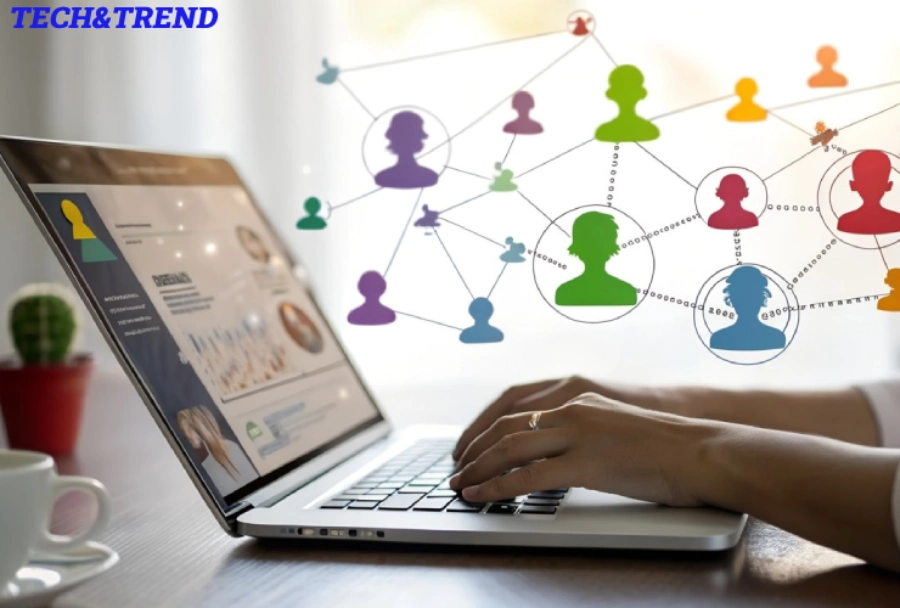
In today’s world, people want things made just for them. Whether it’s shopping online, watching movies, or getting news, everyone loves a personal touch. This is where personalisation through big data comes in. It helps companies understand what you like so they can give you better experiences. This article will explain how personalisation through big data works and why it is important for you and many others.
What Is Personalisation Through Big Data?
Personalisation through big data means using large amounts of information to create experiences or products tailored just for you. Big data is all the information collected from different sources such as websites, social media, shopping apps, or even smart devices. When companies analyze this data, they learn about your habits, preferences, and needs. Then, they use this knowledge to offer products or services designed especially for you.
Why Big Data Makes Personalisation Possible
Big data is huge! It involves gathering data from millions (or even billions) of people every day. Without big data, personalisation would be impossible at such a large scale. By crunching these massive amounts of data with special computers and smart software, businesses can find patterns and predict what you might enjoy. This makes your experience more special and useful.

How Does Personalisation Through Big Data Work?
Making things personal for you using big data happens through different steps. Let’s look at how this process works in a very simple way:
Step 1: Collecting Data
The first step is collecting lots of data about you and others. This data can come from websites you visit, what you buy, what you watch, or even how long you stay on a page. Sometimes, it also includes your location and device type. The more information collected, the better the personalisation.
Step 2: Analyzing Data
After data collection, it’s time to analyze. Special software looks for important patterns and trends in the data. For example, it can see that you like comedy movies or prefer buying shoes online. This analysis helps companies understand your likes and dislikes.
Step 3: Creating Personalised Experiences
Using the analysis, companies then create content, offers, or recommendations tailored to your preferences. This could be a movie list on a streaming service, special discounts on products you like, or news stories that match your interests.
Step 4: Improving Over Time
Personalisation is not one-time. As you keep using services, more data is collected, and your preferences may change. Big data tools keep updating their understanding of what you like to make experiences better every time.
Why People Love Personalisation Through Big Data
Personalisation through big data is popular because it makes life easier and more enjoyable. Here are some reasons why people are interested:
Saves Time and Effort
Imagine browsing through thousands of products or movies without any help. It can take hours! Personalisation cuts this time by showing you the best options quickly. It saves effort and helps you find what you want without stress.
Gets You Better Choices
When companies know your preferences, they suggest better products and services. This means less guesswork and more confidence in your choices. Whether it’s choosing a restaurant or a gift, personalisation helps make good decisions.
Feels Special and Valued
Everyone wants to feel important. Personalisation shows that companies care about you by offering what fits your needs. This makes shopping or browsing more fun and satisfying.
Helps Discover New Things
Sometimes, personalisation helps you find new favorites. For example, a music app may recommend songs you never heard but fit your taste perfectly. Big data makes this discovery easy and exciting.
Examples of Personalisation Through Big Data
Personalisation through big data is used in many places you might not even notice. Here are some simple examples:
Online Shopping
Websites like Amazon use big data to recommend products based on what you bought before or viewed recently. If you looked at smartphones, you might see accessories or new models in your feed.
Streaming Services
Platforms like Netflix or YouTube suggest shows and videos that match your watching habits. The more you watch, the smarter the suggestions get.
Social Media
Facebook and Instagram show ads and posts based on your interests, hobbies, and friends. This keeps your feed relevant and interesting.
News Websites
News apps use big data to show stories in your preferred topics, like sports, technology, or health, so you get the news you care about most.
Personalized Emails
Many companies send emails that are tailored just for you. These emails might offer discounts on your favorite brands or updates about products you like.
How Personalisation Through Big Data Helps Businesses
Personalisation is not just about helping customers; it is very important for businesses too.
Increases Sales and Customer Satisfaction
When customers get what they want easily, they buy more and feel happier. This leads to more sales and loyal customers for businesses.
Builds Stronger Relationships
Personalisation creates trust between a company and its customers. People feel more connected and are likely to keep coming back.
Saves Marketing Costs
Big data targets the right audience with the right message. This reduces wasted money on ads that don’t work and increases the efficiency of marketing campaigns.
Collects Valuable Customer Insights
Businesses learn about customer trends and preferences. They use these insights to improve products and services, staying ahead of competitors.
Privacy Concerns in Personalisation Through Big Data
While personalisation through big data is useful, it also raises some privacy questions. Many people worry about how their information is collected and used.
How Companies Protect Your Data
Good companies follow laws and rules to protect your privacy. They keep your data safe and use it only to improve your experience. Many also give you choices about what data to share.
What You Can Do to Stay Safe
- Read privacy policies before using apps or websites.
- Use settings to limit what data you share.
- Be cautious about sharing personal details online.
- Use secure passwords and update them regularly.
The Future of Personalisation Through Big Data
The future looks exciting for personalisation through big data. As technology improves, personalisation will become even smarter and more useful.
More Accurate Personalisation
Future tools will understand your preferences better by using artificial intelligence (AI). This means even more tailored services and offers.
Personalisation in New Areas
Big data personalisation will expand into health, education, travel, and many other areas to make life easier.
More Control for Users
People will have more control over what data they share and how it is used, making personalisation safer.
Smart Devices and Personalisation
Smart home devices, cars, and wearable technology will use big data to adapt to your routine and preferences automatically.
How You Can Benefit from Personalisation Through Big Data
You might wonder how to get the most out of personalisation. Here are simple tips to enjoy the benefits:
Use Services That Know Your Preferences
Choose websites, apps, and tools that offer personalisation. This will save you time and make your experience better.
Keep Your Profile Updated
Make sure your interests and preferences on apps or services are accurate. This helps algorithms give better suggestions.
Give Feedback
When you like or don’t like recommendations, give feedback if possible. This helps improve personalisation for you.
Be Open to New Recommendations
Try new things suggested by services. This helps you discover more that you enjoy.
Common Questions About Personalisation Through Big Data
Is my personal information safe?
Many companies use strong security systems and follow privacy laws to keep your data safe. Always check the privacy policy before using new services.
Will I get personalized ads everywhere?
You might see personalized ads on websites and social media, but you can control ad preferences in settings on many platforms.
Can personalisation be annoying?
Sometimes it can be if recommendations don’t match well or appear too often. Most platforms allow you to adjust settings or opt out.
Do all websites use big data personalisation?
Not all websites use it, but many popular and large platforms do because it helps them serve you better.
Conclusion
Personalisation through big data is transforming how we interact with technology and services. By analyzing vast amounts of information, companies can understand individual preferences and offer more meaningful and relevant experiences. This not only saves time but also makes activities like shopping, streaming, and browsing truly enjoyable.
As technology advances, personalisation through big data will become even smarter and more integrated into daily life. Staying informed and managing your data privacy will help you benefit fully from this powerful innovation, making your online experience unique and efficient.

Comments are closed.